Awakening Cooperative Lab · ライブラリー
講演レポート:許芯瑋(Kate Hsu)、Design for Changeと創設者になることについて
学びを行動に変え、家族、仲間、自分との難しい対話を重ねて変化を支える許芯瑋の講演記録。
機械翻訳・未校閲
- イベント
- 創造的チェンジメーカーの内なる変化と相互変化 (TIES 2021)
- 日時
- 2021-06-29
- 著者
- ラボによるレポート(草稿は機械生成、未校閲)
- 初出
- Recording on YouTube
- 保存日
- 2026-11-22
- イベント
- 創造的チェンジメーカーの内なる変化と相互変化 (TIES 2021)
- 日時
- 2021-06-29
- 著者
- ラボによるレポート(草稿は機械生成、未校閲)
- 初出
- Recording on YouTube
- 保存日
- 2026-11-22
Kate Hsu(許芯瑋)は、Design for Change台湾の創設者兼CEOとして、2021年6月29日にオンラインで開催された2021年台湾国際教育サミット(TIES、台灣國際教育高峰會)のセクション1「OTHERwise:知恵はどこからともなく生じるものではない」において、「東洋の視点」と題する講演を行った。サミットのキュレーター兼セッション司会者である楊逸帆(アドラー・ヨウ)の紹介を受け、Hsuは、変化を生み出すには、家族や友人、チームの仲間、そして自分自身との継続的なコミュニケーションが必要であり、期待や失敗、人間関係によって取り組みが複雑になる場合には、なおさらそうであると論じた。
教室での回答から行動へ
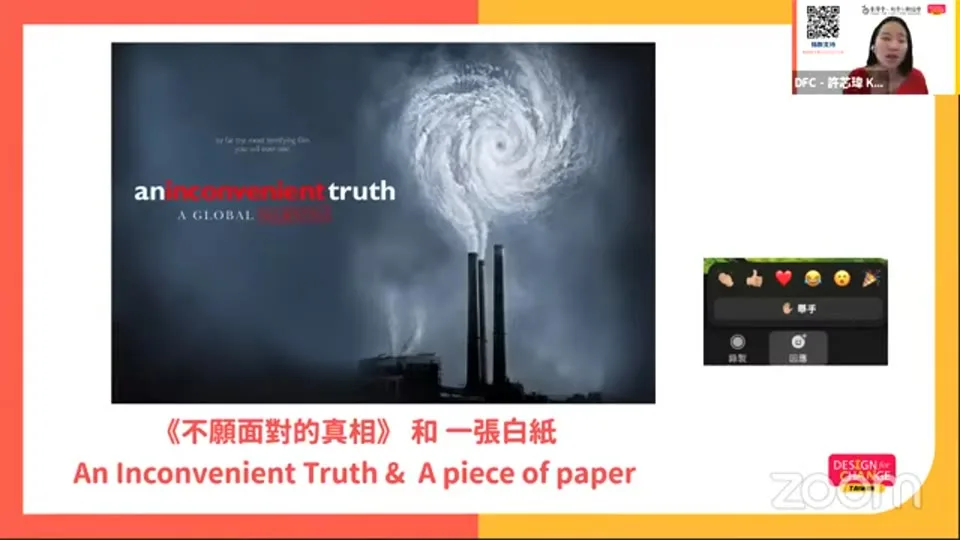
Hsuは、夫が撮影した写真を示すことから講演を始め、それを通じて、人々は互いにつながっており、「誰も孤島ではない」という自身の考えを表現した。Design for Change台湾を設立する以前、彼女は自身の母校である高校で英語教師を務めていた。教えることも生徒たちと接することも大好きであったが、ドキュメンタリー映画 An Inconvenient Truth(「不都合な真実」)をめぐる経験によって、教育に対する理解が変わったという。
Hsuは生徒たちにそのドキュメンタリーの一部を見せた後、地球温暖化の原因を挙げ、それを遅らせるために取り得る行動を提案するよう求めた。生徒たちの回答には、授業後にエアコン、扇風機、プロジェクターの電源を切ることなどが含まれていた。オンライン・セッションの参加者からも、牛肉を食べる量を減らす、エアコンの設定温度を上げる、野菜を食べる、炭素排出量を削減する、意識を広めるといった同様の提案が寄せられた。
しかし授業が終わると、Hsuは扇風機とプロジェクターがついたままであることに気づいた。生徒のアシスタントは、回答は採点のためだけに提出するものだと思っていたと説明した。Hsuは、これが自身の転機であったと述べた。「私は、生徒たちに常識を日常の実践へと変えてほしい」(0:10:53)。彼女は、生徒たちが学んだことを行動に移し、その学びを教科書の外へと広げることを望んだが、その段階では、それをどのように実現すればよいのか分からなかった。
(0:02:09–0:11:46)
Design for Changeのプロセス
教材を探すなかで、Hsuはインドのリバーサイド・スクールの創設者兼校長であるKiran Bir Sethiと、彼女のTEDトーク「子どもたちよ、自ら動こう」(原題:Kids, take charge.)に出会った。Hsuによれば、この講演は彼女の人生を変え、彼女がFIDSと呼ぶプロセス、すなわちFeel(感じる)、Imagine(想像する)、Do(行動する)、Share(共有する)を教えてくれた。子どもたちは、自分たちを悩ませていることを特定し、考え得る解決策を想像し、計画を立てて行動し、その後、変化を生み出した物語を共有する。
Hsuは、このプロセスは、子どもたちが身の回りの問題に取り組む際に使えるほど単純なものであると説明した。台湾の生徒たちが取り組んだプロジェクトでは、ネットいじめ、食品廃棄、学校周辺の危険な交通状況、過剰な宿題、生徒たちが意地悪だと感じる教師などが扱われてきた。
続いて彼女は、授業でFIDSを用いることに対して教師が示すであろう反対意見を予想するよう参加者に求めた。回答には、子どもは問題を解決するには幼すぎるという考え、授業時間の不足、教師の関心の乏しさ、保護者からの疑問、子どもたちが試みるかもしれないことにどう対処すべきか分からないという不安などが含まれていた。Hsuは、自身の教職経験から、こうした制約を理解していると述べた。
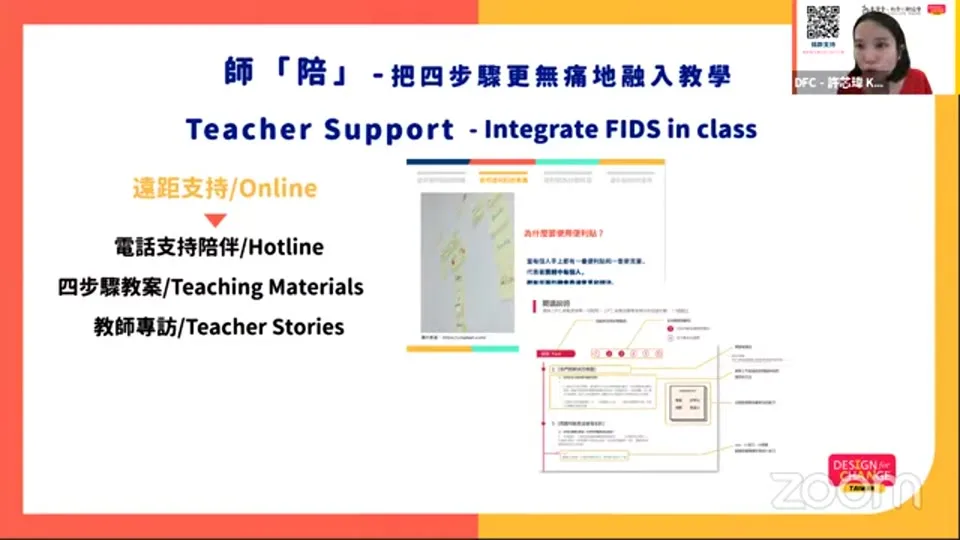
そのため、Design for Change台湾はオンラインとオフラインの双方で支援を提供している。オンライン支援には、業務時間中に相談できるホットライン、無料の教材、ほかの教師がこのプロセスをどのように活用したかを示す事例が含まれる。Hsuは、自身の組織が必ずしもすぐに使える答えを持っているわけではないが、教師が問題について話し合い、孤立感を和らげる手助けはできると強調した。オフライン支援には、学校訪問、授業観察とフィードバック、講演、ワークショップ、デザイン思考の講座、教師および学校を対象とする認証プログラムなどが含まれる。
(0:11:46–0:18:25)
教職を離れ、創設者となる
組織の舞台裏にある仕事へと話題を移し、Hsuは、安定した高校教員の職を辞め、非政府組織を設立した当時を振り返った。彼女は、そのような転身によってどのような困難が生じるかを参加者に問いかけた。参加者が挙げたのは、資金調達、経済的支援、認証、勇気、チームづくり、ステークホルダーとのコミュニケーションであった。
Hsuは、自身の日々の経験を、選択を迫られ、失敗に直面することの繰り返しであると要約した。彼女は、自分では誤った判断だったと考える決定を下し、それにどう対処すればよいか分からず、前夜に泣いたことを明かした。見かけほど幸せではないことも多かったが、それでも続けているのは、この仕事が自分のやりたいことだからであった。
参加者は、創設者がコミュニケーションを取る必要のある相手として、夫、子ども、教師、親、友人、家族、資金提供者を挙げた。Hsuは、教師と資金提供者が重要であることには同意したが、まず向き合わなければならなかったのは、より身近な3つの関係、すなわち家族と友人、チームの仲間、そして自分自身であったと述べた。
(0:18:25–0:21:38)
家族、友人、そして初期の失敗
Hsuは、Design for Change台湾の最初の会合を写した写真を示した。写真に写っている友人のなかには、もはや彼女と親しくない人もいるという。それは、彼女がなぜこのプロジェクトに取り組んでいるのか、彼らには理解できなかったからである。彼らは彼女を世間知らずで過度に楽観的だと見ており、彼女自身もそうした評価を部分的には認めていた。当時の彼女は、創設者である以上、強く見せなければならないと考えていたため、自分の抱える不確かさをどう伝えればよいのか分からなかった。
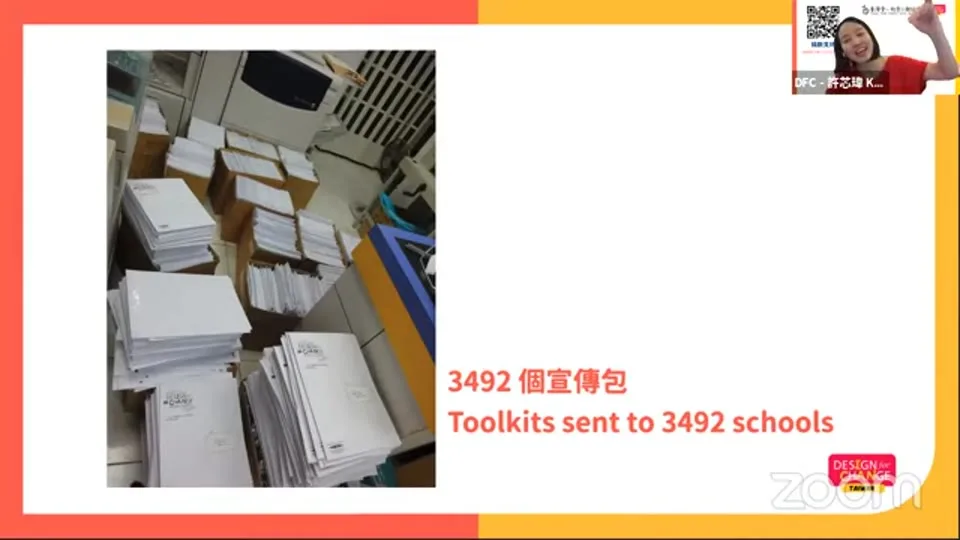
その一例として、Hsuは2010年、銀行口座にあった全財産を使い、Design for Changeのツールキットを印刷して配布した経験を語った。このアプローチはインドで成功していたため、台湾でも成功するはずだと考えたのである。生徒たちの助けを借りて3,492部のツールキットを梱包し、学校へ送った。しかし、返答があったのはわずか2校であった。
この経験は、彼女が世間知らずだという友人たちの見方を強めると同時に、数字を扱うことに彼女が苦手意識を持っていたことも示した。両親は経済的支援ではなく精神的支援を与え、彼女が有益なことをしようとしていると信じていた。それでも、Hsuによれば、彼女が公に評価され、ニュースに登場するようになって初めて、両親は全面的に支援するようになった。その地点に到達するまでには、彼女の仕事が台湾の教育にとって重要であることを6年にわたり繰り返し説明し、両親を安心させる必要があった。
(0:21:38–0:27:00)
チームの仲間、そして自分自身とのコミュニケーション
Hsuは、善意を持つ人々の集まりを、機能する組織へと変えることが、自身にとって最も困難な仕事であったと述べた。友情を重んじる「自由人」として、当初はチームの全員と友人になりたいと考えていた。しかし後に、それは不可能であり、親しい友人であっても、必ずしもNGOを共に設立する相手として適しているわけではないとの結論に至った。
チームのメンバーが辞めたいと言ったときや、いつ給与が支払われるのかと尋ねたとき、彼女はとりわけ困難を感じた。ほかのリーダーたちは、人を雇うときは時間をかけ、解雇するときは迅速に行うよう助言したが、彼女には人をすぐに辞めさせることができなかったという。組織運営について彼女が得た中心的な教訓は、リーダーにとって最悪の悪夢とは、間違った人々に時間を費やすことかもしれず、それゆえ適切なチームメンバーを探すことが不可欠だということであった。
Hsuはまた、従業員の90%が会社やNGOを辞める理由は、その創設者にあるという主張を紹介した。人から嫌われることを恐れ、自分を責めがちな彼女は、残りの10%は嘘をついているのかもしれないと応じた。
彼女によれば、コミュニケーションを取るべき3人目にして最も重要な相手は、自分自身であった。自分はどのようなリーダーなのか、どのようなリーダーになりたいのか、何が自分に合っているのか、自分の使命は何であるべきか、何を変えることができるのかを、彼女は絶えず問い続けた。他者の判断に依存しがちな自分に抗うため、彼女は次の言葉を繰り返した。「他者があなたをどう評価するかを、あなたの現実にする必要はない」(0:30:48)。
自分を疑うとき、Hsuは周囲の環境を変えた子どもたちの事例に目を向けた。彼らの行動は、自分には彼らが持っていない年齢と資源があることを思い出させた。彼女は、人はしばしば困難な対話を恐れるが、それでも対話に踏み込まなければならないと結論づけた。なぜなら、その先には想像を超える何かが見つかるかもしれないからである。
(0:27:00–0:33:20)
ディスカッション
正式な質疑応答を行う時間はなかった。Hsuは、イベントのブレイクアウトルームで議論を続け、教師支援グループへのリンクを共有すると述べ、COVIDの期間中、Design for Change台湾を支援するよう参加者に呼びかけた。楊は彼女に謝意を表し、思いがけない場所で宝物を見つけるという彼女の締めくくりの言葉を、次の講演へとつないだ。
(0:33:20–0:33:30)
原文を読む
Kate Hsu (許芯瑋), Founder and CEO of Design for Change, Taiwan, delivered the “Eastern perspective” talk in Section 1, “OTHERwise: Wit ain’t from nowhere,” at the online 2021 Taiwan International Education Summit on 29 June 2021. Introduced by summit curator and session host Adler Yang (楊逸帆), Hsu argued that creating change requires sustained communication with family and friends, teammates, and oneself, especially when expectations, failures, and relationships complicate the work.
From classroom answers to action
Hsu began with a photograph taken by her husband, using it to express her view that people are interconnected and that “nobody is an island.” Before founding Design for Change Taiwan, she had been an English teacher at the high school from which she had graduated. She said that she loved teaching and working with her students, but an experience involving the documentary An Inconvenient Truth changed her understanding of education.
After showing students part of the documentary, Hsu asked them to identify the causes of global warming and propose actions that might slow it. Their answers included switching off air conditioning, fans, and projectors after class. Participants in the online session offered similar suggestions, including eating less beef, raising air-conditioner temperatures, eating vegetables, reducing carbon emissions, and spreading awareness.
When the class ended, however, Hsu found that the fans and projector remained on. A student assistant explained that he had thought the answers were submitted only for marking. Hsu described this as her turning point: “I want my students to make common sense into common practice” (0:10:53). She wanted students to act on what they learned and extend their learning beyond textbooks, although at that stage she did not know how to accomplish this.
(0:02:09–0:11:46)
The Design for Change process
While searching for resources, Hsu encountered Kiran Bir Sethi, founder and principal of Riverside School in India, and her TED talk “Kids, take charge.” Hsu said that this talk changed her life and introduced the process she called FIDS: Feel, Imagine, Do, and Share. Children identify something that troubles them, imagine possible solutions, plan and take action, and then share their stories of change.
Hsu described the process as simple enough for children to use in addressing problems around them. Projects undertaken by students in Taiwan had dealt with cyberbullying, food waste, dangerous traffic around schools, excessive homework, and teachers whom students considered mean.
She then asked participants to anticipate teachers’ objections to using FIDS in class. Responses included the belief that children were too young to solve problems, a lack of class time, limited teacher interest, parental questions, and uncertainty about handling what children might attempt. Hsu said that she understood these constraints from her own teaching experience.
Design for Change Taiwan therefore provides both online and offline support. Its online assistance includes a working-hours hotline for discussion, free teaching materials, and stories showing how other teachers have used the process. Hsu emphasized that her organization did not necessarily possess ready answers, but could help teachers discuss problems and feel less isolated. Offline assistance includes school visits, classroom observation and feedback, talks, workshops, design-thinking courses, and certification programs for teachers and schools.
(0:11:46–0:18:25)
Leaving teaching and becoming a founder
Turning to the work behind the organization, Hsu recalled leaving a stable high-school teaching position to establish a nongovernmental organization. She asked participants what difficulties such a transition would create; they identified funding, financial support, accreditation, courage, team building, and communication with stakeholders.
Hsu summarized her daily experience as being repeatedly required to make choices and face failures. She disclosed that she had cried the previous night after making what she considered a bad decision and being uncertain how to respond. Although she was often less happy than she appeared, she continued because the work was what she wanted to do.
Participants named husbands, children, teachers, parents, friends, family members, and funders as people with whom a founder might need to communicate. Hsu agreed that teachers and funders mattered, but said she first had to address three closer relationships: family and friends, teammates, and herself.
(0:18:25–0:21:38)
Family, friends, and an early failure
Hsu showed a photograph of Design for Change Taiwan’s first meeting. Some of the friends pictured were no longer close to her, she said, because they had not understood why she was pursuing the project. They regarded her as naive and overly optimistic, descriptions she partly accepted. At the time, she did not know how to communicate her uncertainty because she believed that being a founder required her to appear strong.
As an example, Hsu described spending all the money in her bank account in 2010 to print and distribute Design for Change toolkits. Because the approach had worked in India, she assumed it could also work in Taiwan. With help from her students, she packed 3,492 toolkits and sent them to schools. Only two schools responded.
The experience reinforced her friends’ view that she was naive, while also illustrating her difficulty with numbers. Her parents offered moral rather than financial support and believed that she was trying to do something beneficial. Nevertheless, Hsu said that they only began fully supporting her after she received public recognition and appeared in the news. Reaching that point required six years of repeatedly explaining and reassuring them that her work mattered to education in Taiwan.
(0:21:38–0:27:00)
Teammates and communication with oneself
Hsu described transforming a group of people with good intentions into a functioning organization as her hardest task. As a “free spirit” who valued friendship, she had initially wanted to be friends with everyone on the team. She later concluded that this was not possible and that some good friends were not necessarily suitable partners for founding an NGO.
She found it particularly difficult when team members wanted to leave or asked when they would be paid. Although other leaders advised her to hire slowly and fire quickly, she said she had been unable to dismiss people quickly. Her central organizational lesson was that a leader’s worst nightmare might be spending time on the wrong people, making the search for appropriate team members essential.
Hsu also cited a claim that 90% of employees leave a company or NGO because of its founder. Because she feared being disliked and tended to blame herself, she responded that the remaining 10% might be lying.
The third and most important person to communicate with, she said, was oneself. She continually asked what kind of leader she was, what kind she wanted to become, what suited her, what her mission should be, and what she could change. Against her tendency to depend on others’ judgments, she repeated: “Other people’s opinion of you does not have to become your reality” (0:30:48).
When she doubted herself, Hsu looked at examples of children who had changed their surroundings. Their actions reminded her that she possessed age and resources they did not have. She concluded that people often fear difficult conversations, but must enter them because they may find something beyond what they imagined.
(0:27:00–0:33:20)
Discussion
There was no time for a formal Q&A. Hsu said she would continue discussions in the event’s breakout rooms, share the link to the teacher-support group, and invited participants to support Design for Change Taiwan during the COVID period. Yang thanked her and connected her closing statement about finding treasure in unexpected places to the following talk.
(0:33:20–0:33:30)
つながり
中央がこのページです。サイトの記録に基づいて、このページとつながりのあるページや人を、それぞれ印で示しています。二つの印を結ぶ線は、それぞれの印が示すページや人の間にもつながりがあることを表します。