Awakening Cooperative Lab · ライブラリー
講演レポート:Adler Yang「不利な立場にある人々こそ、すでに最も資源に恵まれているとしたら?」(KASpaces 地域ラウンドテーブル、2021年)
アドラー・ヨウ(楊逸帆)の2021年KASpaces講演を記録し、資源不足だけでは説明できない教育格差と、ケアや地域を軸にした代案を示す報告。
機械翻訳・未校閲
- 日時
- 2021-11
- 著者
- ラボによるレポート(草稿は機械生成、未校閲)
- 初出
- Recording on YouTube
- 保存日
- 2026-11-21
- 日時
- 2021-11
- 著者
- ラボによるレポート(草稿は機械生成、未校閲)
- 初出
- Recording on YouTube
- 保存日
- 2026-11-21
雑学校(ZA Share)の研究開発ディレクターである楊逸帆(アドラー・ヨウ)は、2021年11月22日から24日にかけてコンラート・アデナウアー財団(KAS)が主催したオンライン地域円卓会議KASpaces「教育における前進と公平性の加速」のセッション3「誰一人取り残さずに教育を変革する」で講演した。楊は、教育上の不利は必ずしも資源の不足によって説明できるとは限らないと論じた。台湾の農村部の生徒は、比較的潤沢な資源を受けていてもなお学力格差を経験しうるのであり、このことは、標準化された学業成績と、教育が人間の潜在力を配分するあり方とを再考する必要性を示している。
資源、学業成績、〈配分依存〉
楊は、オルタナティブ教育とホームスクーリングによって育った人物として自己紹介し、正式な学位を取得していないにもかかわらず、台湾と香港で教員、校長、政府機関と協働してきたと述べた。そして、不利な立場にある人々は必然的に資源に乏しい、という前提を問い直すよう参加者に促した。
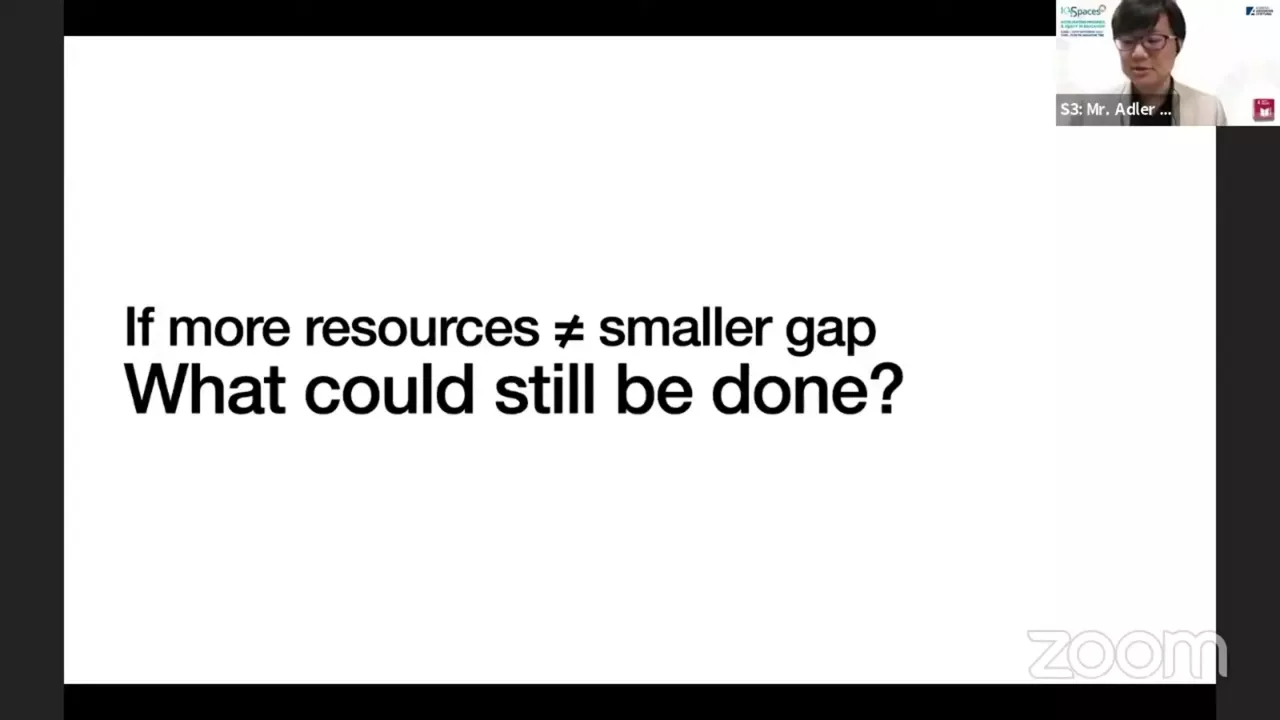
台湾に関する研究を引きながら、楊は、農村部の学校と生徒は、資金、ハードウェア、技術設備、生徒の活動など、いくつかの面において他地域の学校や生徒よりも多くの資源を受けていたと述べた。それにもかかわらず、農村部と都市部の間には依然として大きな学力格差が残っていた。楊は、資源不足を探し続けるのではなく、学業成績を教育的成功の主要な尺度とすべきだという前提そのものを検討することを提案した。
楊は、この議論を、自身が14歳のときに開始した長期的な民族誌研究と結びつけた。彼は、小学校時代の友人を、その友人が20代になるまで追跡した。楊はその友人を、ロボット工学、3Dアニメーション、ジャズの即興演奏など、さまざまな関心分野を独学した「ダ・ヴィンチのような」生徒だったと表現した。しかし、大学入学試験に備えるため、その生徒はそうした探究を脇に置き、学業成績に集中した。大学入学後、家族の経済危機によって退学して仕事を探すことを余儀なくされた。以前から備えていた能力は、家族を支えられるほど十分には伸ばされておらず、その後、彼は兵役に就いた。
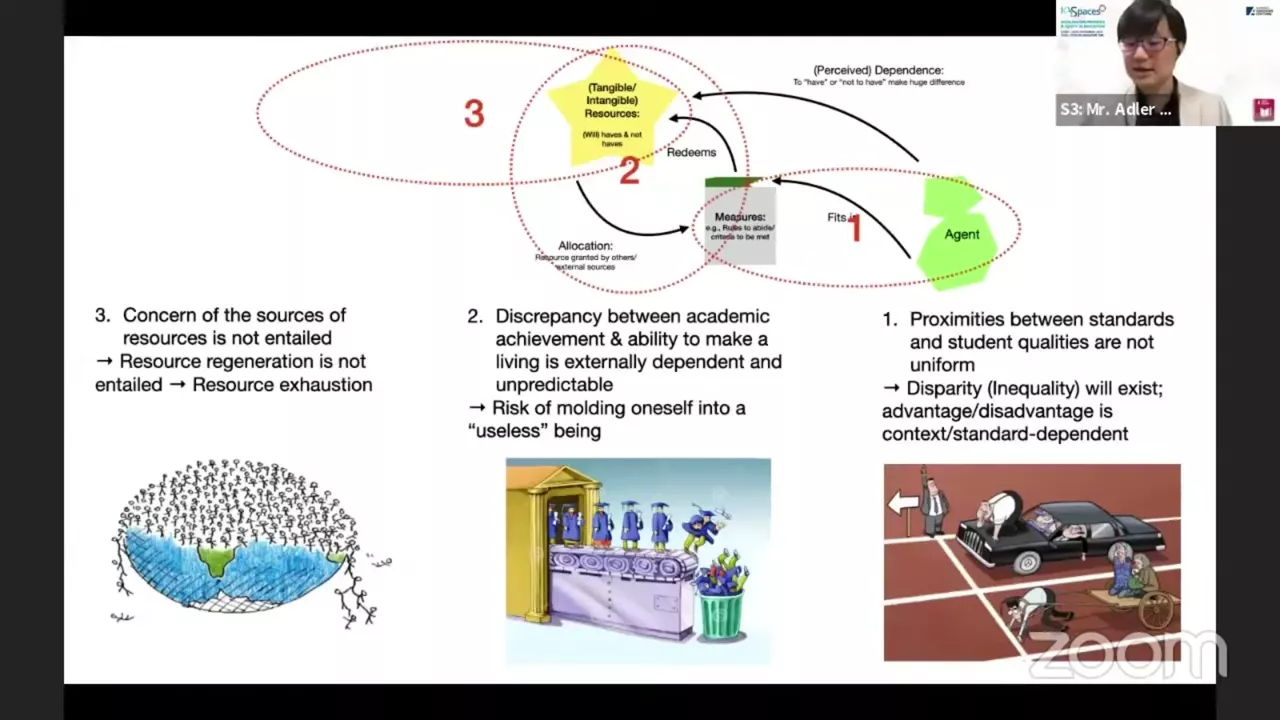
この研究は、ドキュメンタリー映画『勉強の理由:もしそれがあるならば…』(原題:《學習的理由》、英題:If There Is a Reason to Study)と、楊による「〈配分依存〉」の理論へとつながった。この研究から、楊は3つの結論を導いた。第一に、生徒が単一の基準によって評価されるときはいつでも、人々は同一ではないため、一部の生徒が有利になる。第二に、学業成績は、その後のウェルビーイングを必ずしも決定しない。第三に、教育制度は、人間の資源を早期に配分し消費することを促しながら、資源の再生を中心的な課題としていない。(0:00:00–0:04:14)
ケアすることによる学び
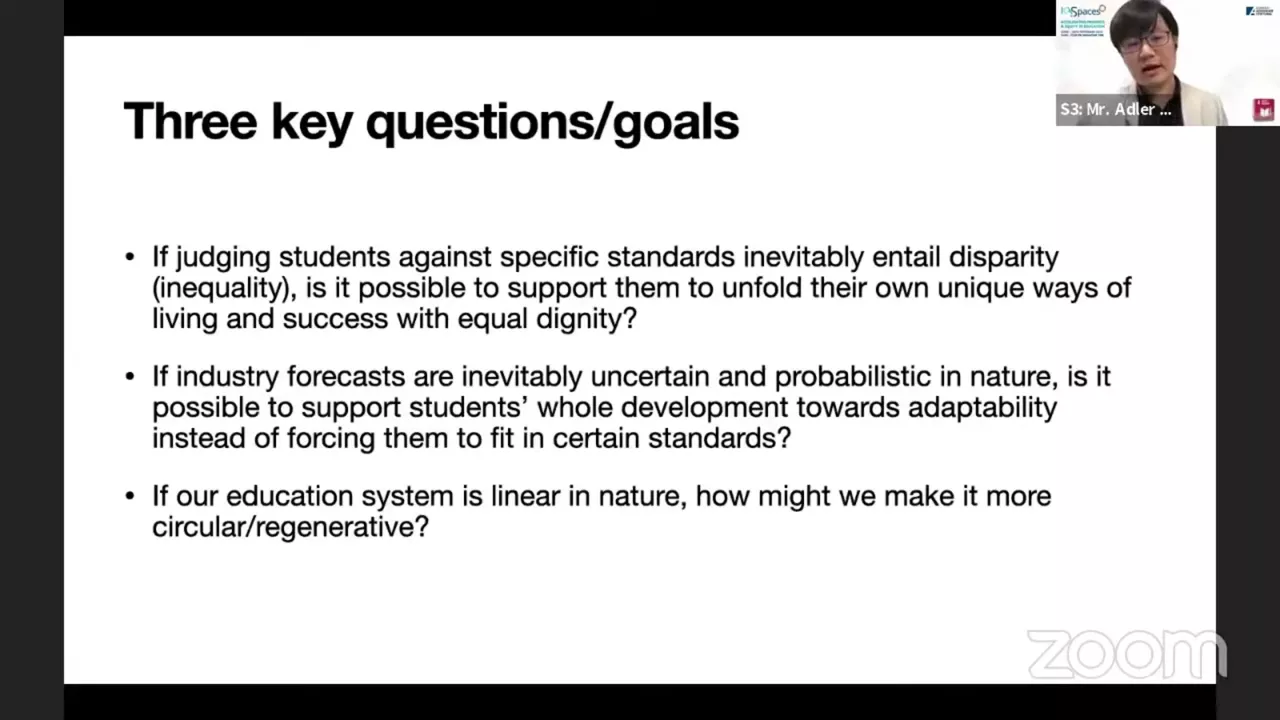
楊は、自身の応答を3つの問いに沿って構成した。教育は、生徒それぞれに固有の生のあり方と成功を、等しい尊厳をもって支えることができるのか。固定された基準への同調を強いるのではなく、適応力を育むことができるのか。そして、教育制度は、より循環的かつ再生的なものになりうるのか、という問いである。
楊は、思考による学びや実践による学びを中心とするモデルに代わるものとして、「ケアすることによる学び」を提示した。彼の説明によれば、従来のモデルは、生徒を既存の社会制度に適合する道具へと形づくる傾向がある。標準化された期待に応えられる者は先へ進む一方、それ以外の者は排除されるか、廃棄物として扱われる。これに対して、ケアすることによる学びは、生徒の現在の状況から出発し、生徒が自ら大切にしていることに基づいて行動するのを支え、その過程を通じて能力を伸ばしていくものである。
楊は、低所得のひとり親世帯に育ち、祖母の主たる介護者となるために高校を中退した生徒を通じて、このアプローチを例示した。彼女は、目的が分からないまま大学に通うことは金銭の無駄ではないかと疑問を抱いていたが、同時に、大学進学を拒めば父親に精神的な負担をかけるのではないかとも心配していた。研究室の「オープン・ジャーナルズ」プログラムを通じて、彼女は業界のリーダー、雇用プラットフォームの関係者、大学の学位を持たずに成功した人々にインタビューした。また、教育社会学についても調査した。
彼女は、こうして完成した雑誌を父親に見せ、自分は直ちに大学へ進学する必要はないと説明した。まず就労に役立つ技能を身につけ、明確な必要性が生じた場合に高等教育へ戻ることができる、と伝えたのである。楊によれば、これによって父親の懸念は軽減され、彼女はより大きな自律性を得た。集中的な受験準備の道をたどることなく、彼女は後に有力大学への進学を招請され、総統賞を通じて顕彰された。楊は、このアプローチに参加した他の中途退学者も国際的な賞を受けており、自身の教育経路も同様の原則に従ったものだったと付け加えた。(0:04:14–0:07:23)
農村コミュニティに根ざした学び
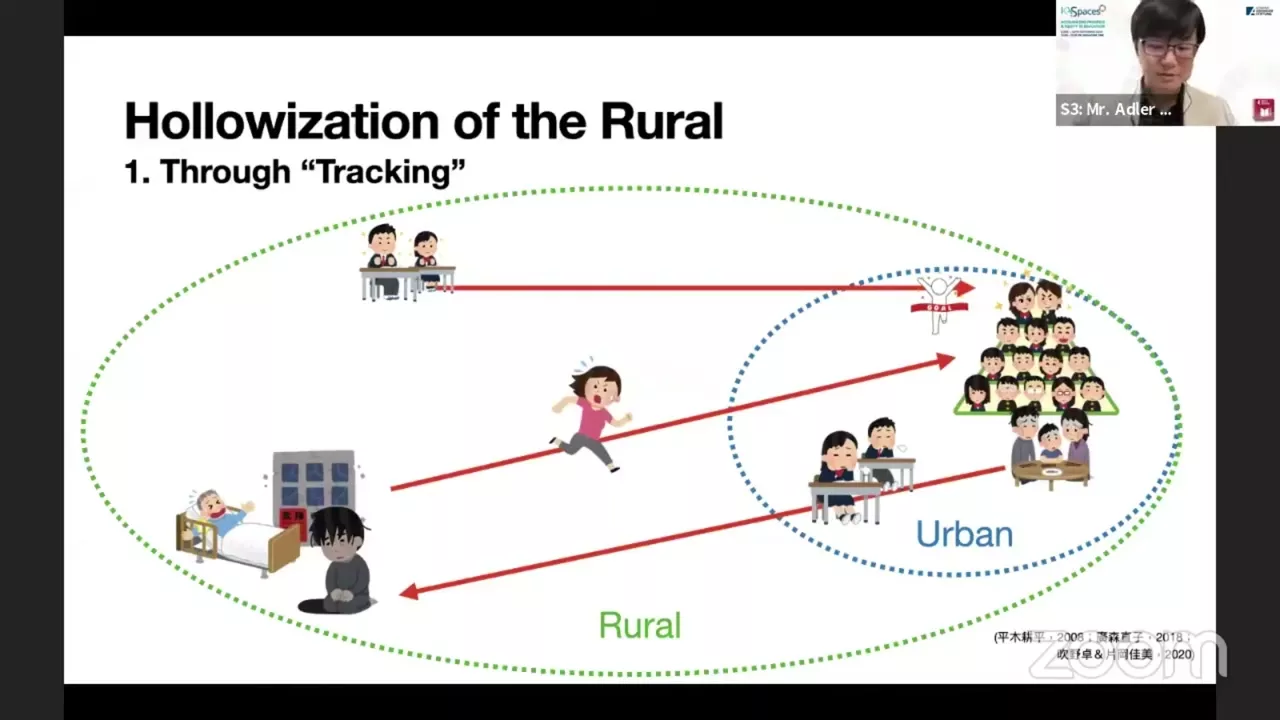
楊は、自身の研究が雑学校の研究開発ディレクターへの就任につながり、そこで台湾の国家発展委員会と農村再生に取り組んだと述べた。彼の研究は、農村社会を「空洞化」させるメカニズムの一つとして教育を特定した。
楊が説明したのは、成績上位の生徒が希望する学校へ通うため都市部へ移る一方、成績下位の生徒は農村部に残るという循環である。また、学校での学びはおおむね校内に閉じ込められていたため、生徒は周囲のコミュニティについてほとんど知識を持たなかった。そのため、将来を思い描く際にも、地元には田畑、衰退する漁業、もはや使われていない工場以外に可能性がほとんど見えず、結果として都市へ向かうことになった。
このプロジェクトは、遊びを取り入れた、地域に根ざす学びによって対応した。学校は、農村部の事業者、地元の商店、衰退しつつある漁港と連携し、生徒が従来の受験準備とは異なる活動に取り組めるようにした。楊によれば、生徒たちは自らのコミュニティと情緒的なつながりを形成し、地域の歴史、伝統工芸、その他のコミュニティにおける仕事を、将来取り組みうるものとして捉え始めた。
一部の生徒は、都市へ移って楊のいう「新たな都市貧困層」になるのではなく、自らのコミュニティに再び加わり、農村再生に貢献した。彼らが必ずしも最上位の大学に進学したわけではないが、楊によれば、自分が何を追求したいかを理解していたため、ときには奨学金を得ながら、自らの目的に適した大学へ進学したのである。(0:07:23–0:10:33)
予測から適応的なエージェントへ
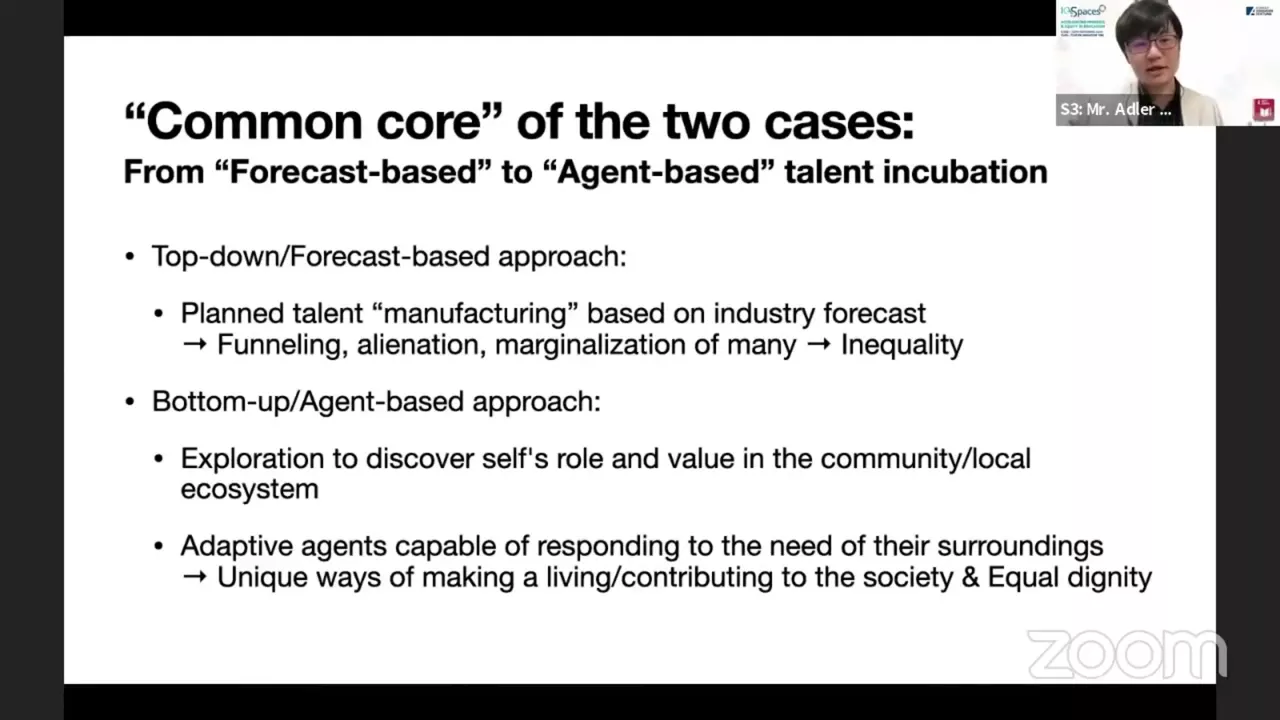
楊は最後に、予測ベースの人材育成からエージェント・ベースの人材育成への移行について述べた。従来のトップダウン型モデルでは、教育制度が産業の需要を予測し、そのうえで生徒をあらかじめ定められた役割へと送り込む。楊は、この過程が必然的に淘汰、周縁化、不平等、格差を生み出すと論じた。
楊のエージェント・ベースの代替案は、複雑系の考え方を取り入れたものであった。生徒は自らのコミュニティを探索し、自分が提供できる価値を発見し、より広い生態系のなかでの役割を見いだす。予測された需要に合わせて設計された標準化製品ではなく、周囲の状況に応答できる適応的なエージェントになるのである。生計を立て、社会に貢献する方法は、等しい尊厳を保ちながら、多様なままでありうる。(0:10:33–0:11:36)
討論
司会者は、進歩的と表現される教育アプローチを提案する際、楊が政府機関とどのように協働したのかを尋ねた。楊は、自身の2つのプロジェクトが置かれていた制度的環境を区別した。
ケアすることによる学びは、主として、中途退学者を対象とする第三者の非営利団体によるアクション・リサーチを通じて発展したため、当初は政府との協力を必要としなかった。その成果は後に公的機関の注目を集めた。楊は教育部および地方教育委員会から講演に招かれ、教員や行政担当者に向けて講演を行ったり、助言者を務めたりした。
遊びを取り入れた、地域に根ざす学びも、非営利セクターから始まった。その後、この取り組みは、産業、医療、教育を含む複数の領域を通じて拡大する農村部と都市部の格差に対処する、国家発展委員会の政策課題と合致した。政府は、市民社会と民間の協力組織に、戦略の調査、立案、実施を委託した。雑学校は、衰退しつつある漁村で非伝統的教育の経験を有する地元の協力組織と連携した。楊が文献調査を担い、地元の協力組織が事例とインタビューを提供した。両者はこれら2つの情報源を用いて計画を策定・実施し、2年以内に成果が現れた。
楊は、参加組織が政府委託をめぐって競争していたため、調査と戦略の質が重要であったとも付け加えた。また、台湾の最新の国家課程にも言及した。この課程は、学校に対し、教育プログラムの20パーセントを学校本位課程として設定することを求めていた。楊はこれを、完全に中央集権化された課程に従うのではなく、生徒と教員を学習設計に関与させようとする試みとして説明した。この政策環境についての知識を、地元の学校と保護者のニーズに関する知識と組み合わせることによって、プロジェクトチームは、いまだ対処されていない空白を特定することができた。(0:11:36–0:17:58)
原文を読む
Adler Yang (楊逸帆), R&D Director at ZA Share, spoke during Session 3, “Transforming Education While Leaving No One Behind,” at the online KASpaces Regional Roundtable “Accelerating Progress & Equity in Education,” hosted by Konrad Adenauer Stiftung from 22 to 24 November 2021. Yang argued that educational disadvantage cannot always be explained by a lack of resources: Taiwan’s rural students may receive comparatively substantial resources while still experiencing achievement gaps, suggesting a need to reconsider standardized academic achievement and how education allocates human potential.
Resources, achievement, and allocation dependence
Yang introduced himself as a product of alternative schooling and homeschooling who had worked with teachers, principals, and government bodies in Taiwan and Hong Kong despite not holding a formal degree. He invited participants to question the assumption that disadvantaged people are necessarily resource-poor.
Citing research on Taiwan, Yang said that rural schools and students received more resources than counterparts elsewhere in several respects, including funding, hardware, technological facilities, and student activities. Nevertheless, a significant rural–urban achievement gap remained. Rather than continuing to search for resource shortages, he proposed examining the presumption that academic achievement should be the principal measure of educational success.
Yang connected this argument to longitudinal ethnographic research begun when he was 14. He followed a childhood friend from elementary school into his twenties. Yang described the friend as a “Da Vinci-like” student who independently learned robotics, 3D animation, and jazz improvisation, among other interests. To prepare for college entrance examinations, however, the student set those pursuits aside and concentrated on academic performance. After entering college, a family financial crisis compelled him to withdraw and find work. His earlier abilities had not been developed sufficiently to support his family, and he subsequently entered military service.
The research led to a documentary, If There Is a Reason to Study, and to Yang’s theory of “allocation dependence.” From this work, he drew three conclusions. First, whenever students are judged against a single standard, some will be advantaged because people are not identical. Second, academic achievement does not necessarily determine later well-being. Third, education systems encourage early allocation and consumption of human resources without making resource regeneration a central concern. (0:00:00–0:04:14)
Learning by caring
Yang organized his response around three questions: whether education could support students’ distinct forms of life and success with equal dignity; whether it could develop adaptability instead of forcing conformity to fixed standards; and whether education systems could become more circular and regenerative.
He presented “learning by caring” as an alternative to models centered on learning by thinking or learning by doing. In his account, conventional models tend to shape students into instruments fitted to an existing social system. Those able to meet standardized expectations advance, while others are excluded or treated as waste. Learning by caring instead begins with students’ present circumstances and supports them in acting on what they care about, using that process to develop their capacities.
Yang illustrated the approach through a student from a low-income, single-parent household who left high school to become her grandmother’s primary caregiver. She questioned whether attending college without knowing her purpose would waste money, but she also worried that refusing college would burden her father emotionally. Through the lab’s Open Journals programme, she interviewed industry leaders, employment-platform representatives, and people who had succeeded without college degrees. She also researched the sociology of education.
She presented the resulting magazine to her father and explained that she did not need to attend college immediately. She could first build employable skills and return to higher education if a clear need emerged. Yang said that this reduced her father’s concern and gave her greater autonomy. Without following an intensive test-preparation route, she was later invited to attend a leading university and received recognition through a presidential award. Yang added that other school dropouts involved in this approach had received international awards, and that his own educational path followed similar principles. (0:04:14–0:07:23)
Place-based learning in rural communities
Yang said that his research contributed to his appointment as R&D Director at ZA Share, where he worked with Taiwan’s National Development Council on rural revitalization. His research identified education as one mechanism through which rural society was being “hollowed out.”
He described a cycle in which higher-achieving students moved to urban areas to attend preferred schools, while lower-performing students remained in rural areas. School learning was also largely confined to campuses, leaving students with little knowledge of their surrounding communities. When imagining their futures, they therefore saw few local possibilities beyond fields, declining fisheries, or factories no longer in use, and consequently moved toward cities.
The project responded with playful, place-based learning. Schools partnered with rural businesses, local shops, and a declining fishing port, allowing students to undertake activities outside conventional test preparation. Yang said that students developed emotional connections to their communities and began to see local history, traditional crafts, and other forms of community work as possible pursuits.
Rather than moving to cities and becoming what Yang called the “new urban poor,” some students rejoined their communities and contributed to rural revitalization. They did not necessarily enter the highest-ranked universities, but Yang said they entered universities suited to their aims, sometimes with scholarships, because they understood what they wanted to pursue. (0:07:23–0:10:33)
From forecasts to adaptive agents
Yang concluded by describing a shift from forecast-based to agent-based talent incubation. In the conventional top-down model, education systems forecast industry demand and then funnel students toward predetermined roles. He argued that this process necessarily produces elimination, marginalization, inequality, and disparity.
His agent-based alternative drew on ideas from complex systems. Students would explore their communities, discover the value they could provide, and identify roles within a wider ecosystem. They would become adaptive agents capable of responding to their surroundings rather than standardized products designed for forecasted needs. Their ways of earning a living and contributing to society could remain diverse while retaining equal dignity. (0:10:33–0:11:36)
Discussion
The moderator asked how Yang worked with government institutions when proposing educational approaches described as progressive. Yang distinguished between the institutional settings of his two projects.
Learning by caring had largely developed through third-party nonprofit action research with school dropouts, so government cooperation was not initially necessary. The results later attracted official attention: Yang was invited to speak at the Ministry of Education and by local education boards, and to address or mentor teachers and administrators.
Playful, place-based learning also began in the nonprofit sector. It later aligned with a National Development Council agenda addressing widening rural–urban disparities through multiple areas, including business, medicine, and education. The government commissioned civic and private partners to research, devise, and implement strategies. ZA Share worked with a local partner experienced in non-traditional education in a declining fishing village. Yang contributed literature research, while the local partner supplied cases and interviews. Together they used both sources to formulate and implement the plan, with results emerging within two years.
Yang added that participating organizations competed for government commissions, making the quality of their research and strategy important. He also cited Taiwan’s latest national curriculum, which required schools to designate 20 percent of their programme as school-based curriculum. He described this as an attempt to involve students and teachers in designing study rather than following an entirely centralized curriculum. Knowledge of this policy environment, together with local schools’ and parents’ needs, allowed the project team to identify gaps that had not yet been addressed. (0:11:36–0:17:58)
つながり
中央がこのページです。サイトの記録に基づいて、このページとつながりのあるページや人を、それぞれ印で示しています。二つの印を結ぶ線は、それぞれの印が示すページや人の間にもつながりがあることを表します。